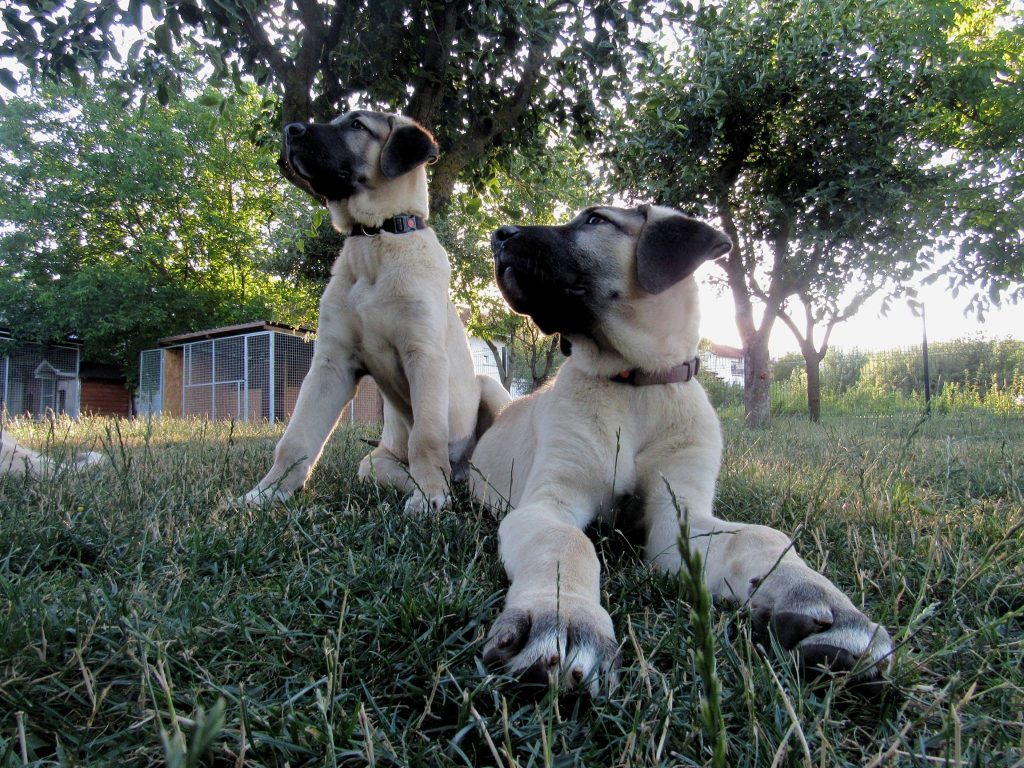


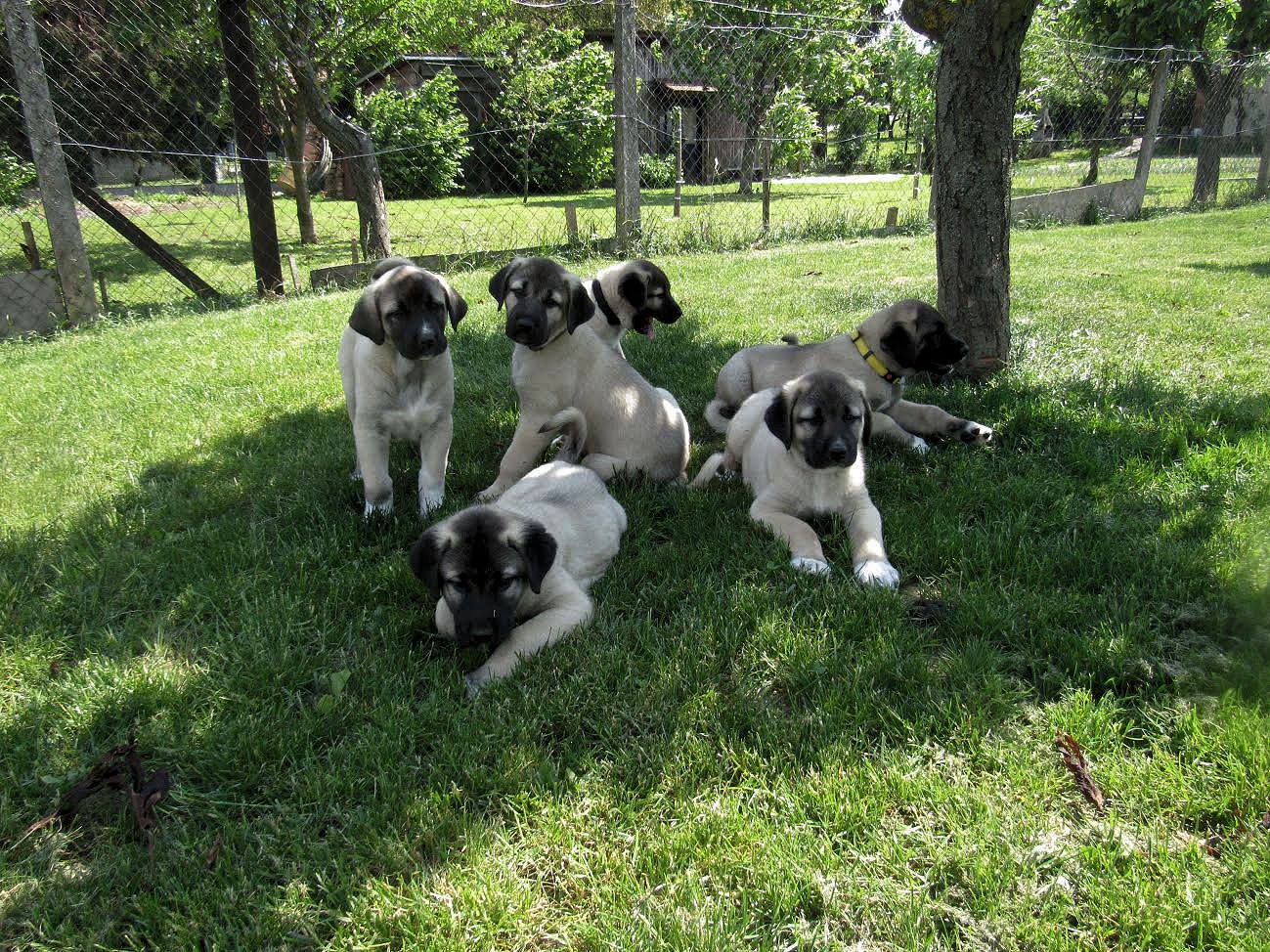
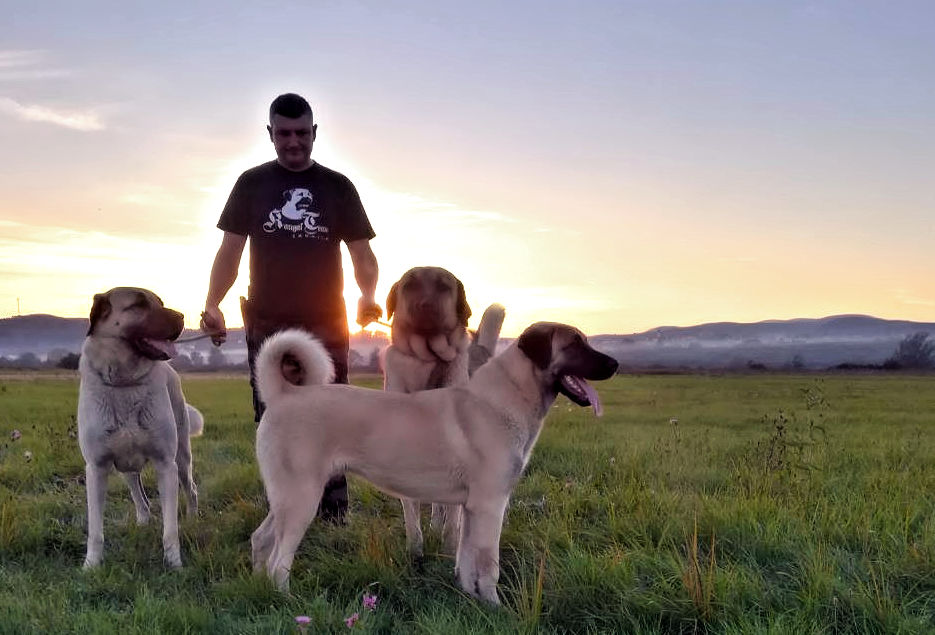
Kangal Team Croatia is the first registered kangal kennel in Croatia, under FCI number 22/16, it has existed since 2016. Also, the first registered kangal in Croatia is a dog from our kennel. The main goal of our breeding is the preservation of old Turkish bloodlines, as well as improving them. Although most of our dogs participate in national and international exhibitions and we can boast the titles of European champions and world vice-champions, the emphasis is on the working part. Thus, most of the dogs from our breeding work as livestock guards in Slovenia, Hungary, Slovakia, Poland, Greece, France, Norway, Sweden, America, Canada.
All our dogs have FCI pedigrees, health tests and breeding licenses to make sure that the puppies from our kennel will have all the prerequisites to become healthy dogs.
Kangal Çoban Köpeği
The Kangal Turkish Shepherd Dog is one of four breeds of Turkish autochthonous shepherd dogs. It originates from Anatolia, an area in Southwest Asia, that is, the Asian part of Turkey. For centuries, it served as a working dog that protected the herd from predators. By standardizing its external measurements and recognizing it as an autochthonous Turkish breed, it was recognized as a breed by the World Cynological Organization (French: Fédération Cynologique Internationale, FCI) in 2018. Its size, the character of a calm and benevolent, protective dog, very loyal to its family make it an increasingly desirable dog in our area as well. However, when choosing that breed, precisely because of all the above-mentioned characteristics, it is necessary to provide him with accommodation and care that will not endanger his well-being.
It is assumed that the Turkish shepherd dog - kangal originates from a livestock guardian dog that arrived in the Anatolia area from Central Asia, during the migration of peoples, between 10,000 BC. and 1300 AD, and it took on its present appearance at the beginning of the 12th century.
The main role of the kangal, retained to this day, was to protect the herd from predators (Anonymous, 2011). In the vast expanses of Anatolia, where it is customary to keep sheep in the open, the help of hardy and strong shepherd dogs such as the Kangal is invaluable. According to Green and Woodruff (1983), these herding dogs in most cases (50-80%) manage to protect the herd.
Kangal was named after the town of the same name in the Turkish province of Sivas (Kirmizi, 1991; Tepeli et al., 2003).
Peculiarities of the body structure of the kangal
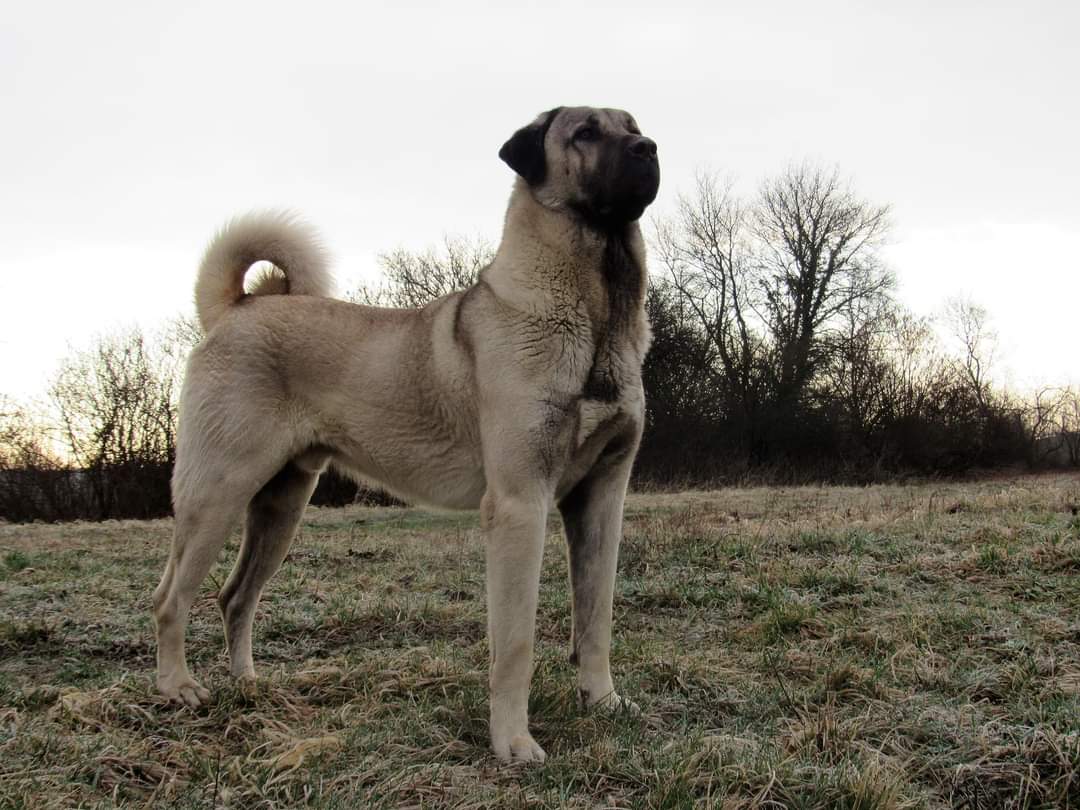
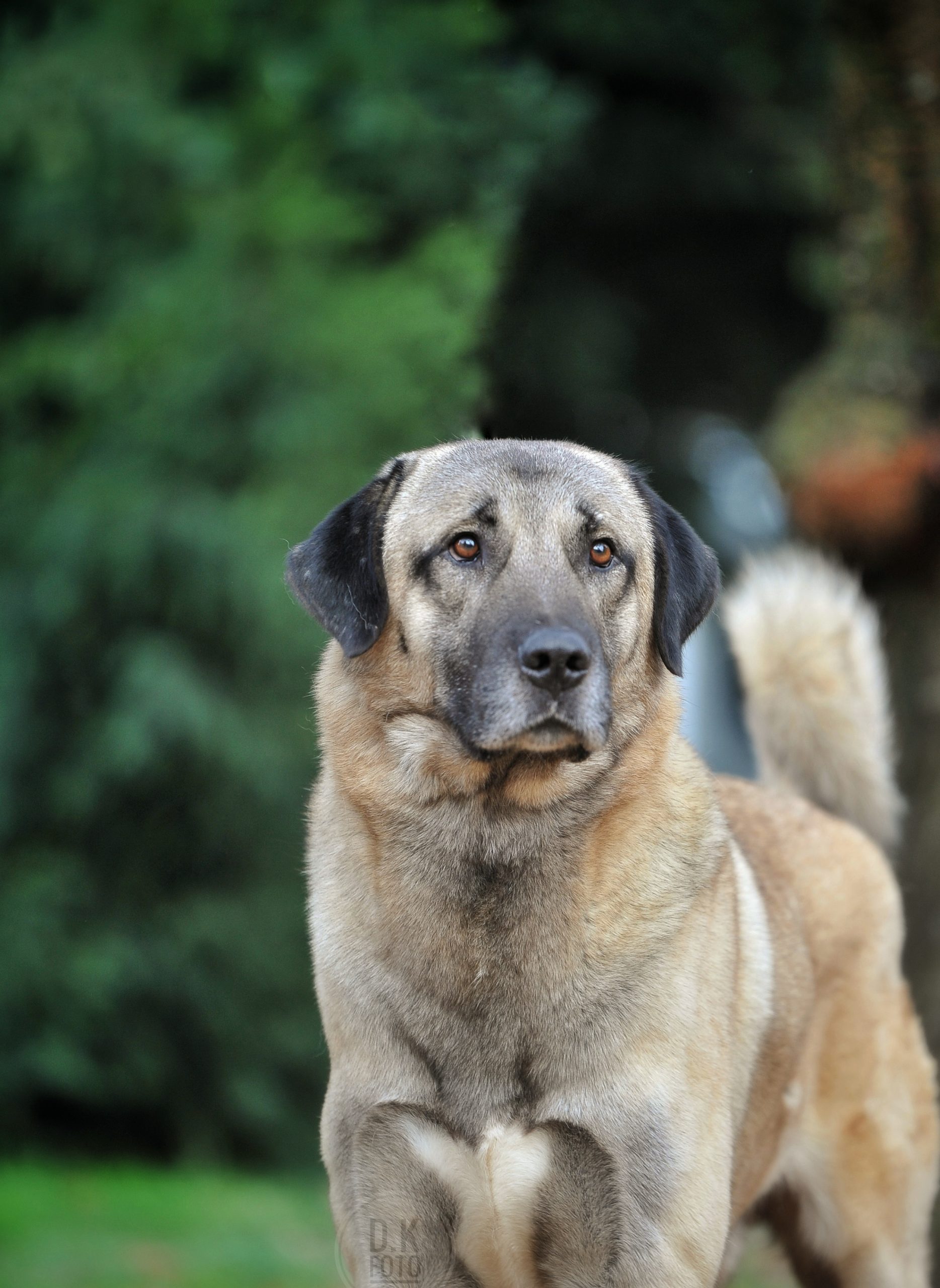
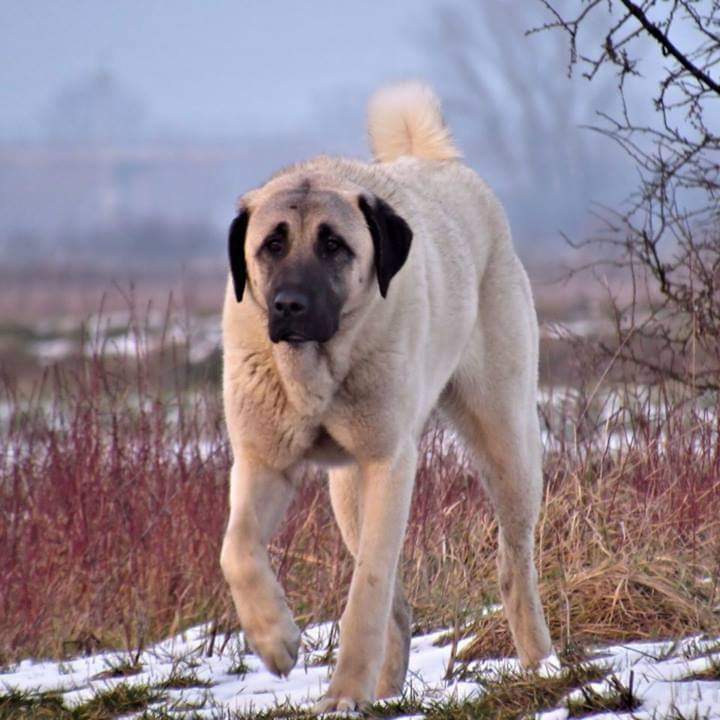
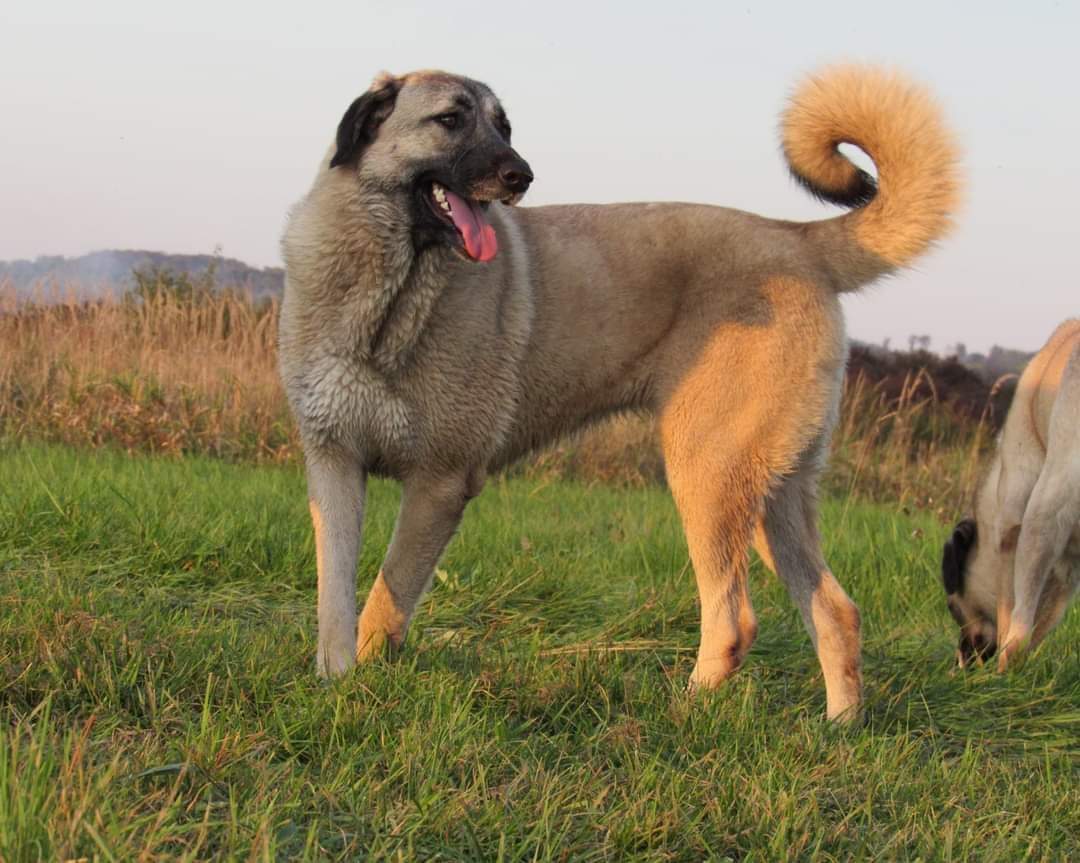
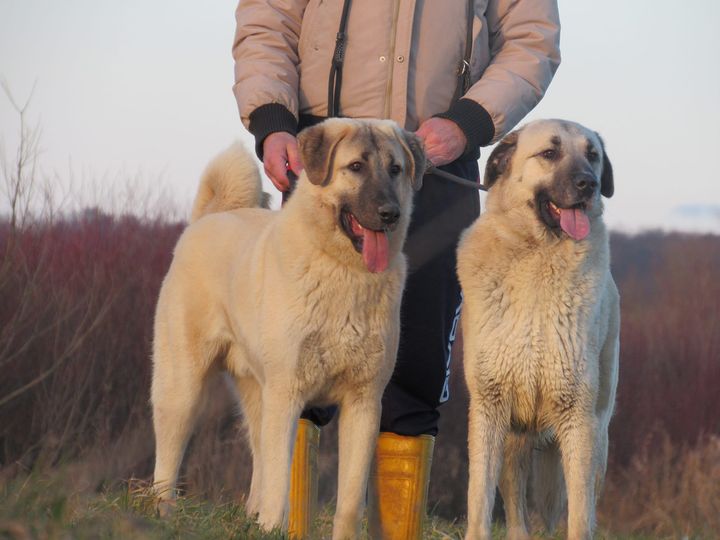
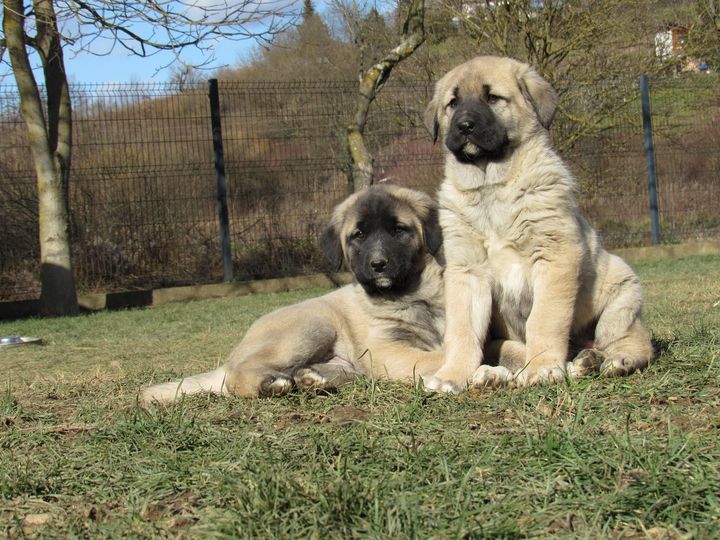
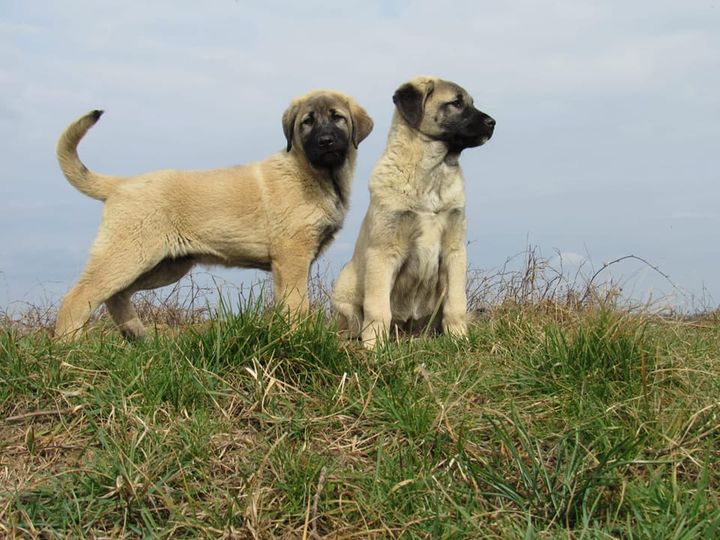
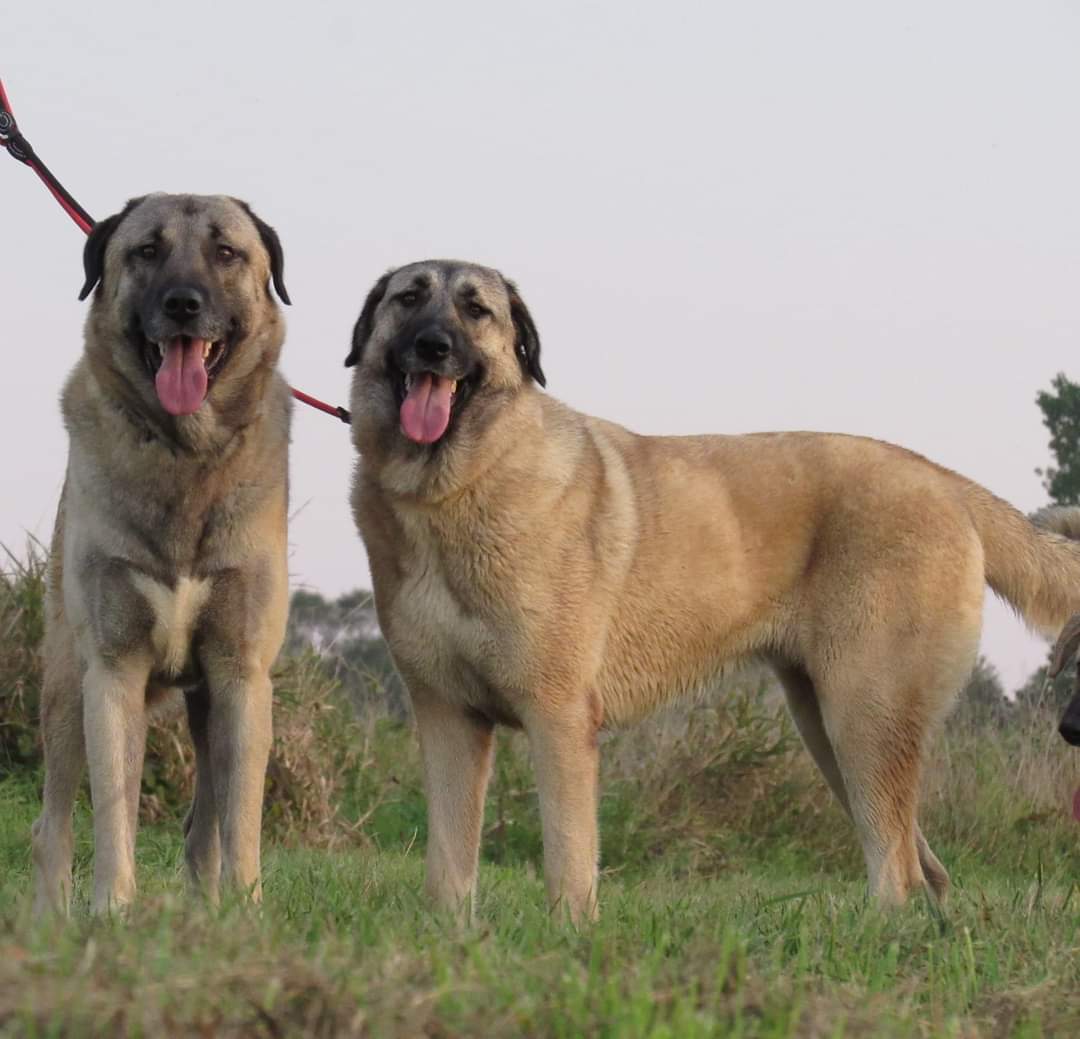
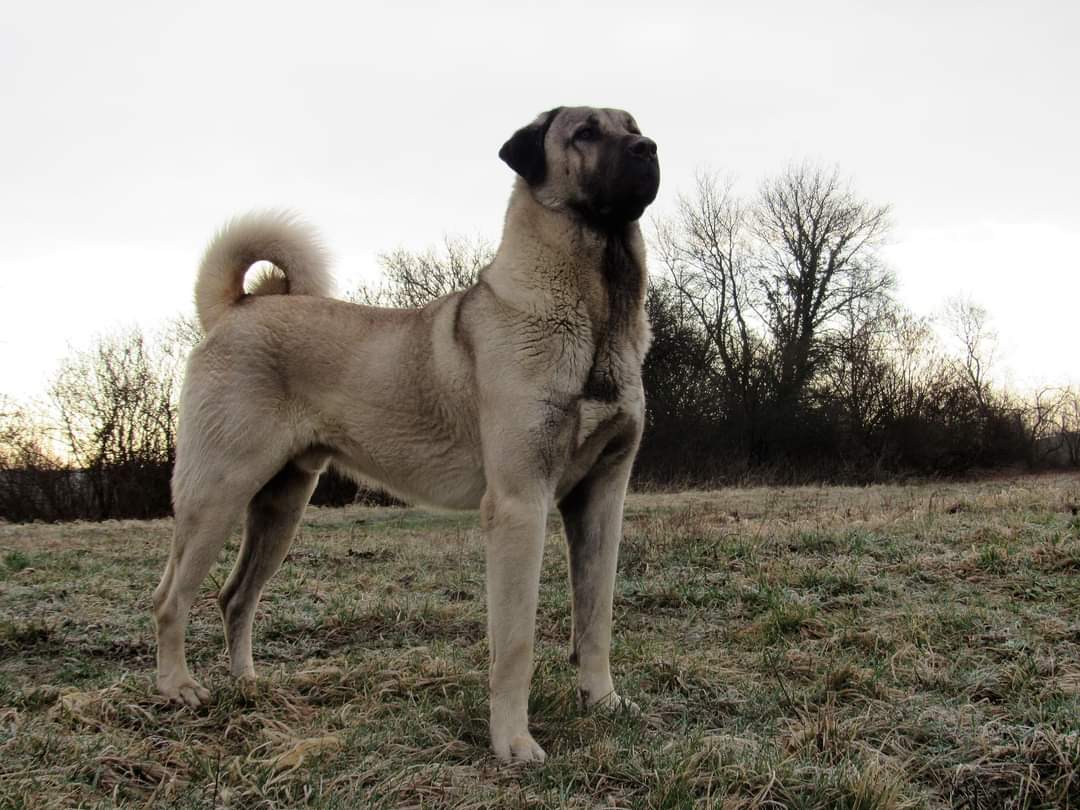
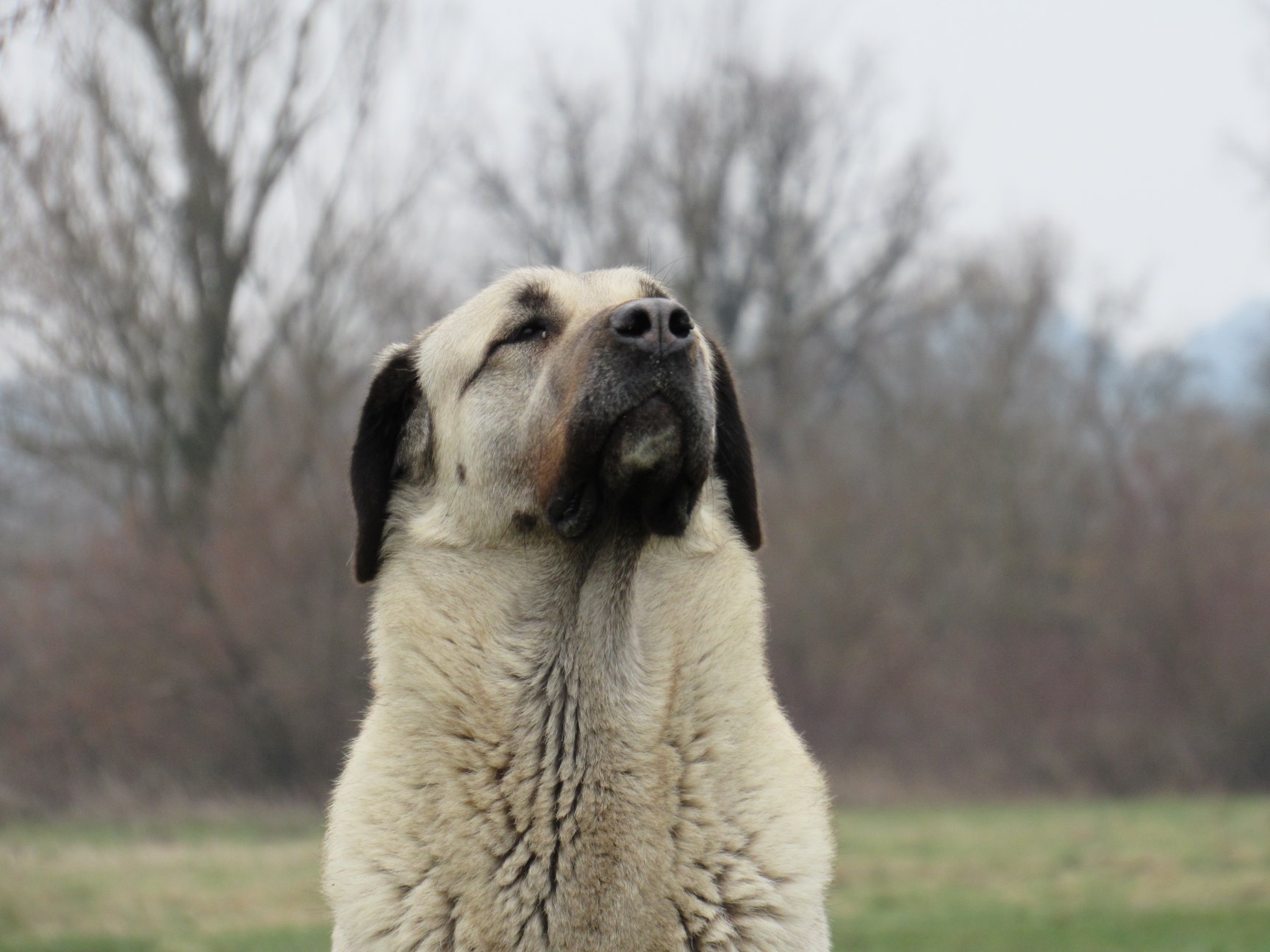
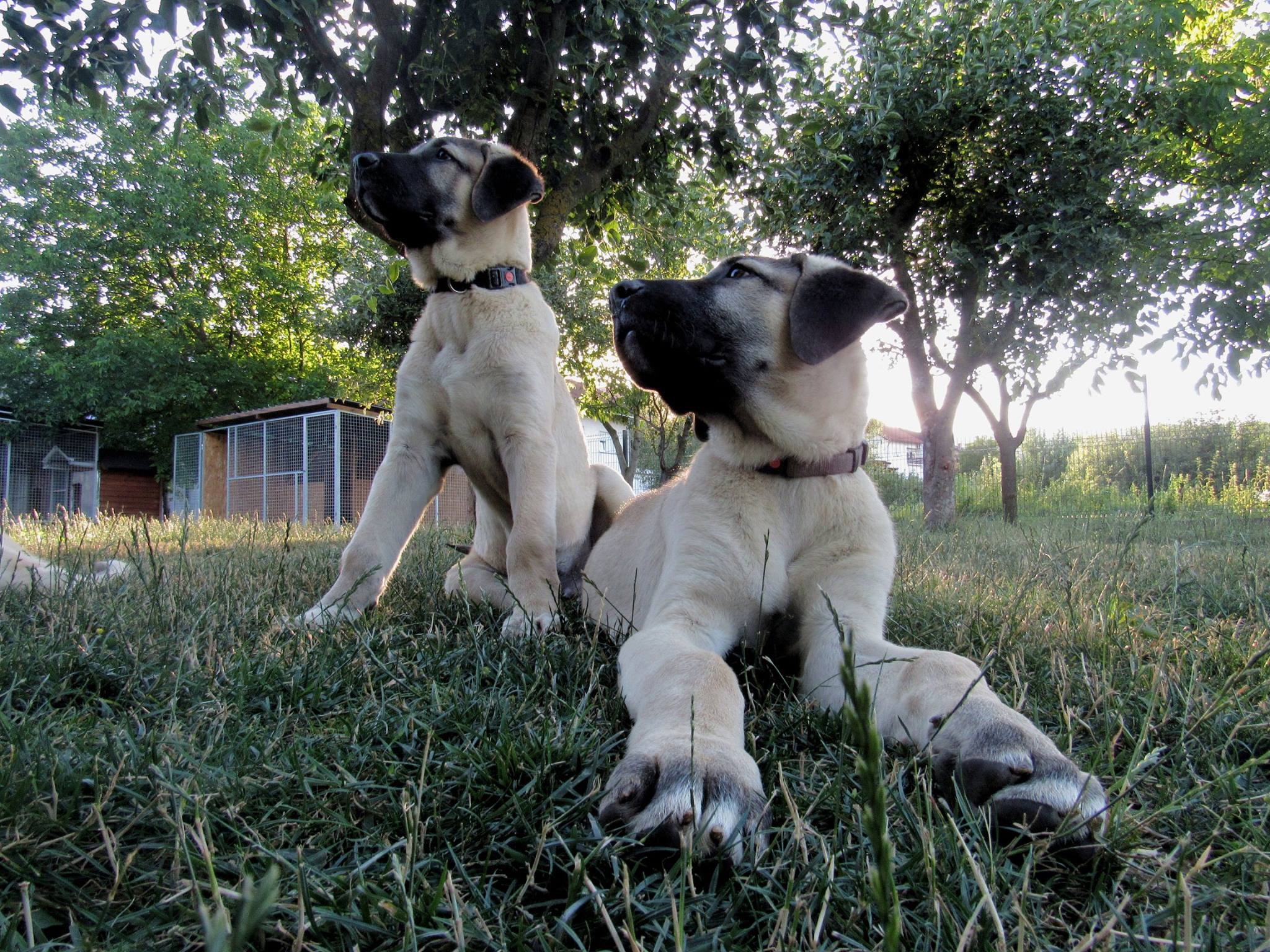
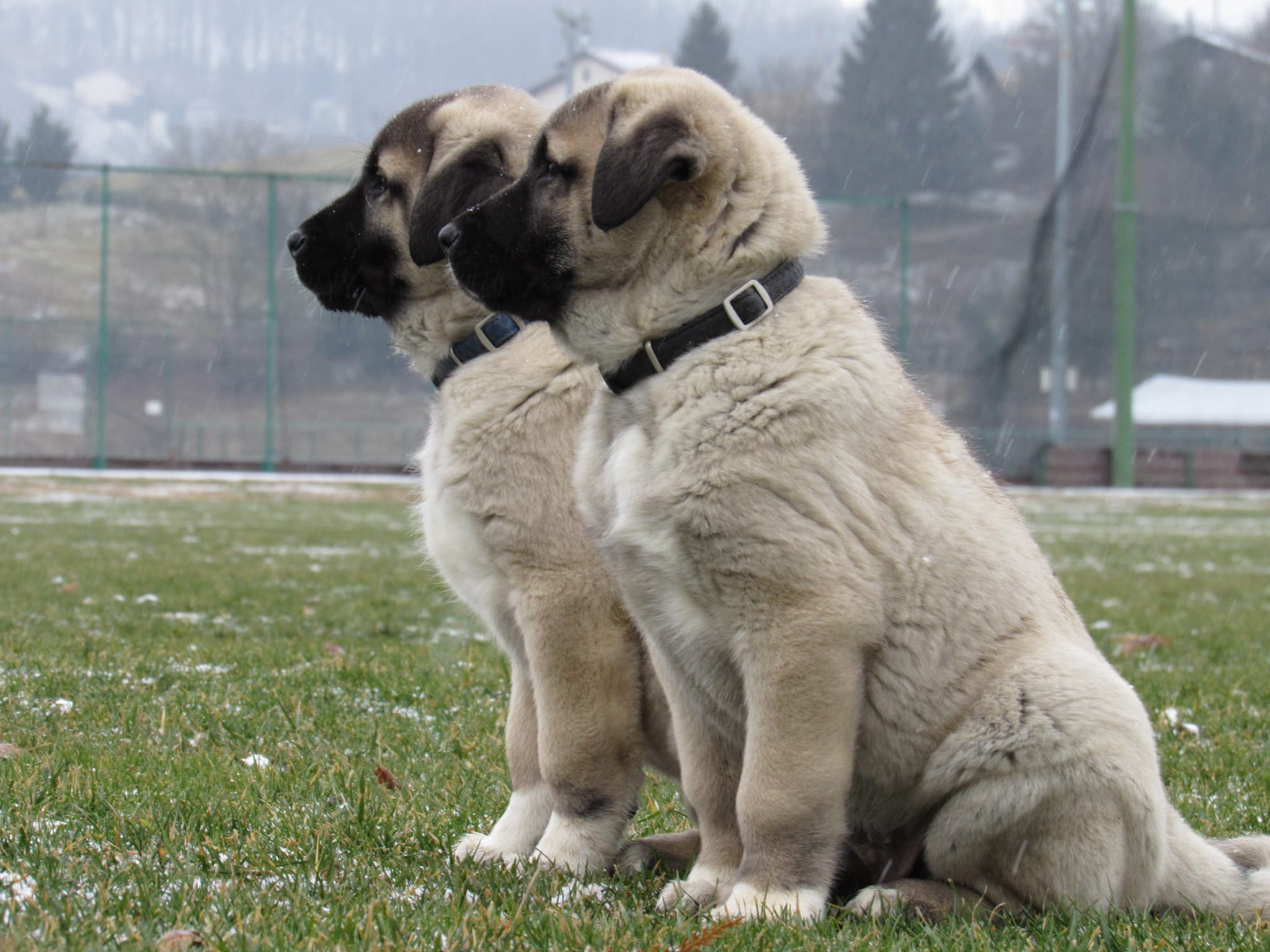
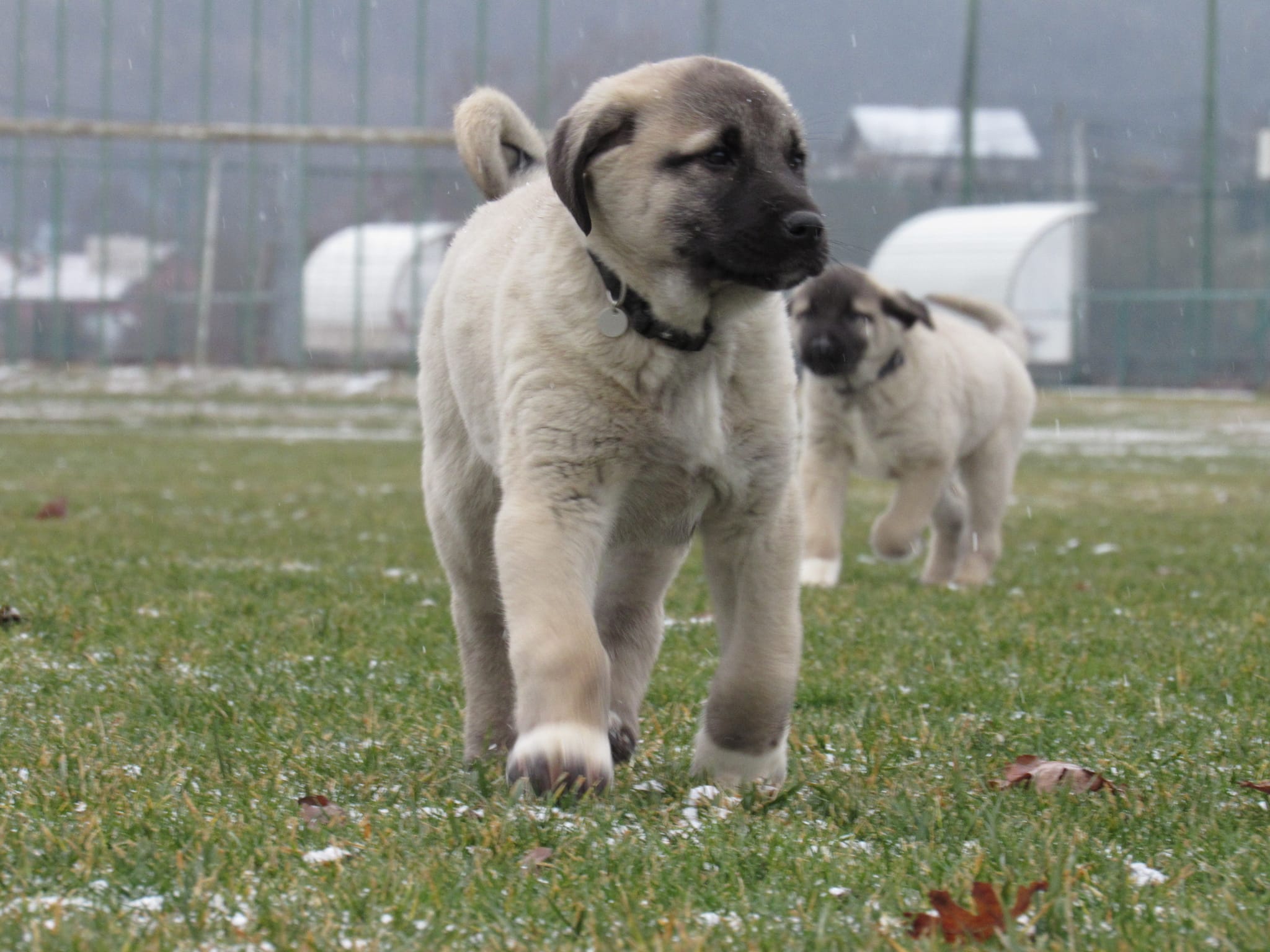
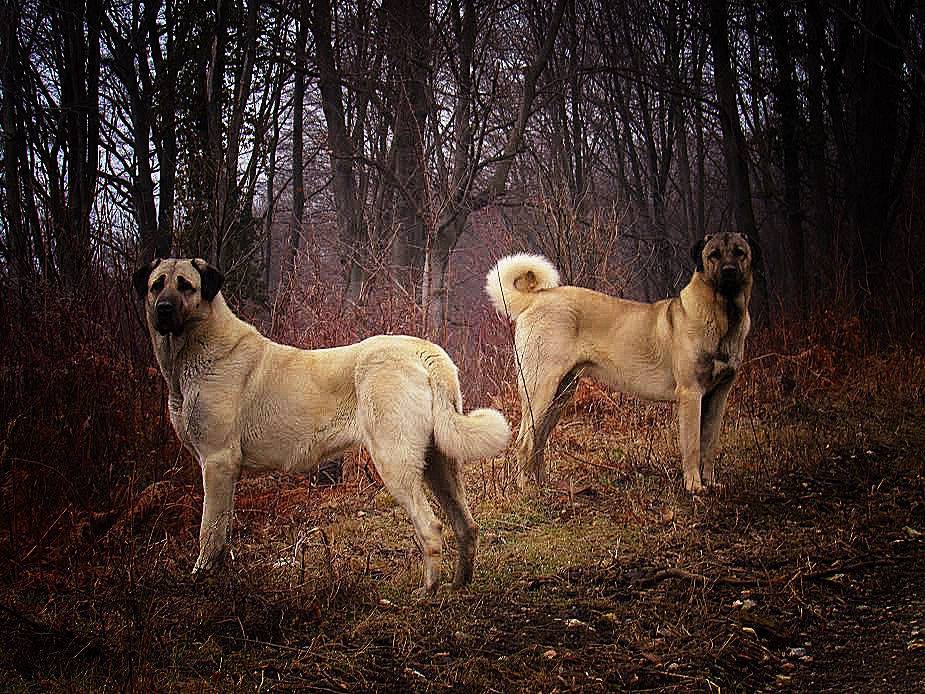
The body is well covered with thick hair, which should not be silky but must be firm, and on the head and legs it is slightly shorter than on the body. The undercoat is dense and slightly finer than the undercoat. The length of the hair on the ridge is from 3 to 7 cm. The basic coat color must not be white, but in the range from cream to dark gray in all shades. White is allowed only on the chest and tip of the tail. It is not larger than 10 cm in diameter on the chest. Their body is monochromatic. On the legs, the color may be lighter and sprinkled with dotted, darker markings. The head is characterized by a mask that is black up to the level of the eyes, and lighter on the skull. The fur on the ears is black, as is the mask. The tip of the tail can be white or black, no longer than 10 cm, viewed from the tip of the tail towards the root.
The skin is medium thick and fits well to the body and head and should not form a fanon. It must be colored, but the color depends on the color of the coat. All visible mucous membranes should be pigmented, and the intensity of pigmentation and the color of the mucous membranes depend on the color of the dog.
Its body is rectangular in shape, with a strong to strongly coarse constitution. It is 65-78 cm +/- 2 cm tall at the withers, males weigh 45 to 65 kg, and females 40-55 kg.
The length of the head is 39-40% of the height of the withers. The length of the skull is 56-60% of the length of the head. The profile lines of the muzzle and skull are divergent. The length of the body is 10-12% higher than the height of the withers. The skull must be rounded and tapers slightly towards the face. The frontal furrow is visible, but not deep. The width of the head is 52-57% of the length of the head. The longitudinal axis of the skull is longer than the transverse one. The length of the muzzle is 40-44% of the length of the head, its shape is bluntly wedge-shaped and slightly narrows towards the tip of the nose, which must not be above or below the line of the nose. The tip of the nose and nostrils are large and pigmented.
Dogs with black body markings have black pigmented mucous membranes, while dogs with lighter markings have lighter pigment. The edges of the lips and the mucous membrane of the lips must also be pigmented.
The jaw of the kangal is well developed and strong, and the teeth are properly spaced. His bite is scissor, pincer or reverse scissor. The lack of first premolars is allowed.
Kangal eyes are large and almond-shaped, and their color must match the color of the coat. It is preferable that they are as dark as possible. The eyelids fit well on the eyeball. The edges of the eyelids must be pigmented.
Kangal eyes are large and almond-shaped, and their color must match the color of the coat. It is preferable that they are as dark as possible. The eyelids fit well on the eyeball. The edges of the eyelids must be pigmented.
The neck is of medium length, which is 35-40% of the height of the withers. The top line of the neck is slightly rounded, and the bottom line is flat. The angle that the neck makes with the horizontal line is 35-40 degrees. The neck is connected to the body and head without sudden transitions. The skin on the neck must fit well on the muscle base and be free of folds.
The body as a whole must not appear stocky, it must be strong, well connected and balanced.
The length of the body is 10-12% higher than the height of the withers. Superstructure is a breed characteristic, the withers are up to 4% higher than the withers. The back line, from the withers to the withers, is not straight, but slightly bent. The central point of the back is 4-5% lower than the ridge, which is slightly pronounced.
The back must be strong and wide, not too long and as calm as possible during movement.
The loins are strong, short and slightly longer in females than in males. They are muscular and well connected to the thoracic part of the back and croup. Treasures have been collected.
The chest must be spacious. The circumference of the chest is 10-15% greater than the height of the withers. The depth of the chest is 33-45% of the height of the withers. The width of the chest (measured behind the shoulder blades) is 27-37% of the height of the withers. The ribs are strong and never barrel-shaped. The chest is muscular and strong. The top of the sternum is at a height of 65-75% of the height of the withers.
The abdomen is slightly twisted, and the lower profile line rises slightly from the profile of the sternum towards the hips.
The croup is of medium length, 30-35% of the height of the withers.
They are muscular and well connected to the loins. With the horizontal line, they cover an angle of 25 to 30%. The line of the croup continues uninterruptedly into the upper line of the tail, which is very strong at the root and thins towards the tip.
Relaxed, it reaches the ankle joint, but seems slightly shorter due to the slight bend at the end. The curvature of the last third can be more pronounced and form a circle.
Kangal at rest carries its tail sabre-like below the line of the back, while when active the tail is slightly higher. It is allowed to be above the back line, but not vertically. The tail can be curled and then rests on the center line of the back. A curled tail must not be worn sideways.
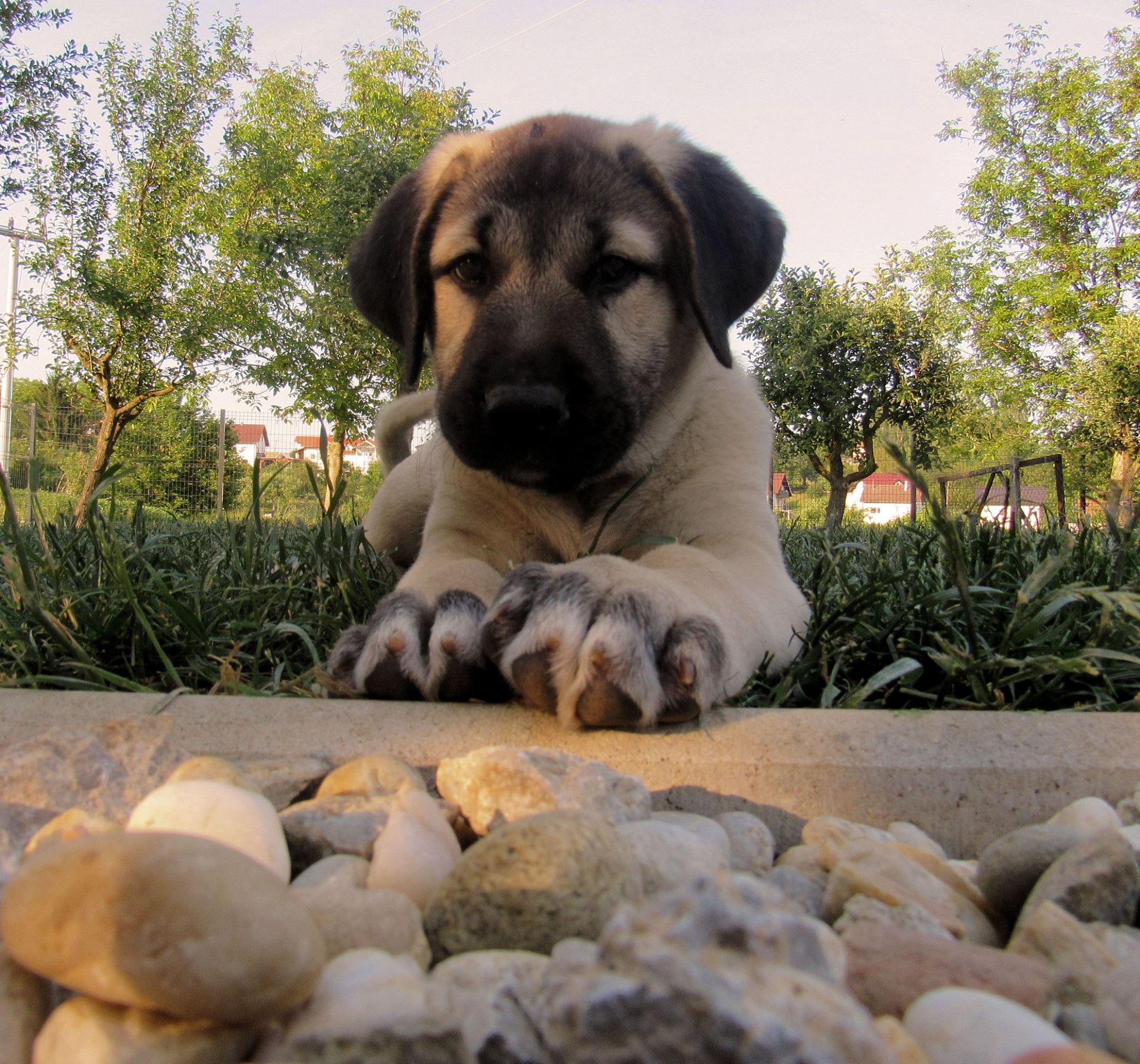
The bones of the front legs are strong. The muscles are dry and firm, and the front legs are parallel to each other. The height of the elbow is 50-55% of the height of the withers. The shoulder blade is of medium length and fits well against the body. With a horizontal line, it covers an angle of 45 to 55 degrees. The shoulder angle is 90-110 degrees. The upper arms must be muscular and strong and fit close to the body, parallel to each other. The bones of the forearm are strong and the muscles are well developed. The elbow is located in a line that is parallel to the middle vertical plane of the body. The elbow angle is 110-130 degrees. The front palm is located in the extension of the vertical line of the forearm. It must be tight and well connected. The forefoot, viewed from the front, is located on a vertical line that passes through the axis of the forearm and closes an angle of 20 to 30 degrees with the vertical. The paws are round, with strong, rounded and mutually gathered toes. The nails are also darkly pigmented. In dogs with lighter hair colors, the nails may be slightly lighter. Pads must be elastic, full, firm and pigmented. A "swimming skin" is developed between the fingers.
The back legs are parallel to each other. They are strong, but not too heavy. Attitudes must be correct with appropriate angles. Thighs are wide, muscular and strong. Their length is about 33% of the height of the crest. They are parallel to each other, as well as to the central axis of the body. With a horizontal line, they cover an angle of 55 to 750. The lower legs are muscular and strong. They are parallel to each other.
With the upper leg (knee), they cover an angle of 110 to 1450. The hock must be firm, wide and harmoniously end the hindquarters. The height of the hock joint (from the ground to the tip of the joint) is 25-35% of the height of the withers, and the angle of the hock joint is 120-150 degrees.
The hindquarters are strong and well developed. The height depends on the height of the ankle joint. The paws are slightly longer than the front ones, and the angle of the feet is greater than 900.
Kangal must move harmoniously and harmoniously. When moving, it must not spasm or twitch, and the back line must be as calm as possible. The dog prefers to move with a medium-long trot, the gallop is not characteristic, and if it gallops, the jumps are long, but the gallop is slower (Anonymous, 2011).
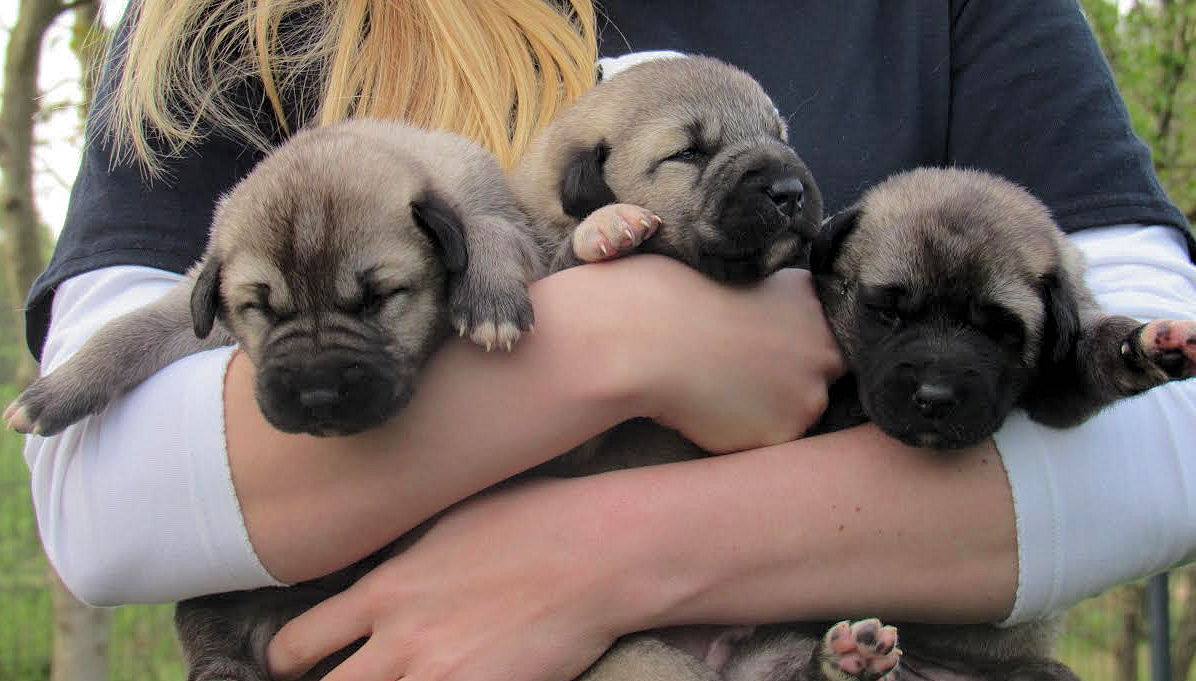
There is no difference in the birth weight of female and male newborn puppies. Kangala bitches are very good at taking care of puppies, regardless of gender. At the end of the suckling period, the survival of the puppies is up to 100% (Elmaz, 2012).
Kangal Team Croatia
Ukoliko vam je potrebna naša pomoć ili imate bilo kakva pitanja, slobodno nam pišite putem navedene forme.
Tel: +385 99 696 86 87
Email: info@kangal.hr
Adresa: Toplička 12, Sveti Ivan Zelina